
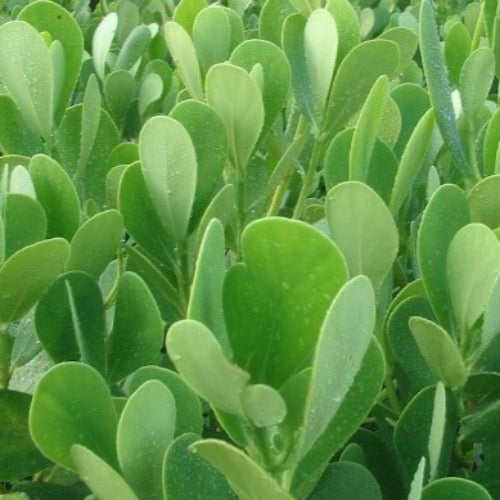
What Is Perennial Peanut?

If you're looking for a low-maintenance, drought-tolerant ground cover that thrives in Florida's heat and humidity, Perennial Peanut (Arachis glabrata) might be the perfect solution for your Tampa Bay landscape. With its cheerful yellow blooms, dense spreading habit, and impressive environmental benefits, this Florida-friendly plant is quickly becoming one of the most popular alternatives to traditional turf grass across Hillsborough, Pinellas, and Pasco counties.
Unlike annual peanuts grown for food, this variety is grown purely for its ornamental and environmental value. It produces small, bright yellow flowers that bloom spring through fall, creating a carpet of color across your landscape.
Size & Spread
- Height: 6–12 inches tall
- Spread: Spreads aggressively via underground rhizomes, covering large areas over time
- Growth habit: Dense, mat-forming ground cover that chokes out weeds naturally
Growth Rate
Perennial Peanut is a moderate to fast grower once established. In its first season, it focuses on root development and may spread slowly. By year two, expect aggressive lateral spread of 12–24 inches per growing season under ideal conditions. Full coverage of a planting area typically occurs within 2–3 growing seasons.
Planting Spacing
- Recommended spacing: 12–18 inches apart for faster coverage
- For budget-conscious planting: Space 24 inches apart and allow 3 seasons to fill in
- 1-gallon containers establish quickly and spread reliably

Care Requirements
One of Perennial Peanut's biggest selling points is how little care it needs once established:
- Watering: Drought-tolerant once established; water weekly during the first 60–90 days
- Fertilizer: Minimal — as a legume, it fixes its own nitrogen from the air
- Mowing: Optional; mow once or twice a year to keep tidy, or leave natural
- Pest & disease: Highly resistant; rarely needs treatment
- Herbicides: Avoid broadleaf herbicides — they will damage Perennial Peanut
Where to Plant
Perennial Peanut thrives in:
- Full sun to light shade — performs best with 6+ hours of direct sun
- Well-drained soils — tolerates sandy Florida soils well; avoid areas with standing water
- Slopes and hillsides — excellent for erosion control
- Under trees — works well in dappled shade beneath palms and open-canopy trees
- Along driveways and walkways — creates a clean, manicured edge
- Large open areas as a turf grass replacement
Avoid planting in areas with heavy foot traffic — it tolerates light foot traffic but not regular heavy use.
Environmental Impact
Perennial Peanut is one of the most environmentally beneficial ground covers you can plant in Florida:
- Nitrogen fixation: As a legume, it pulls nitrogen from the atmosphere and deposits it into the soil, naturally fertilizing surrounding plants
- Water conservation: Dramatically reduces irrigation needs compared to St. Augustine or Bahia grass
- Reduced chemical use: Dense mat suppresses weeds without herbicides
- Pollinator friendly: Yellow blooms attract bees and beneficial insects
- Erosion control: Deep rhizome system stabilizes soil on slopes
- No mowing required: Reduces fuel consumption and emissions from lawn equipment
Perennial Peanut vs. Traditional Turf Grass
| Perennial Peanut | St. Augustine Grass | |
|---|---|---|
| Water needs | Low | High |
| Fertilizer | None (self-fertilizing) | Regular |
| Mowing | Rarely | Weekly |
| Weed suppression | Excellent | Moderate |
| Foot traffic | Light only | Moderate |
| Cost over time | Very low | High |
Advantages of Perennial Peanut
- Self-fertilizing — no nitrogen inputs needed
- Extremely drought-tolerant once established
- Suppresses weeds naturally with dense mat growth
- Attracts pollinators with bright yellow blooms
- Reduces lawn maintenance time and cost significantly
- Thrives in Florida's sandy, well-drained soils
- Excellent for erosion control on slopes
Disadvantages of Perennial Peanut
- Not suitable for high foot-traffic areas
- Slow to establish in the first season
- Can be invasive in garden beds if not edged properly
- Sensitive to broadleaf herbicides
- Goes dormant and browns in cold winters (below 25°F)
- Does not tolerate shade as well as some other ground covers
Is Perennial Peanut Right for Your Tampa Bay Yard?
Perennial Peanut is an excellent choice if you want to reduce your water bill, eliminate fertilizer costs, and create a lush, low-maintenance landscape. It's particularly popular in Tampa Bay for replacing struggling turf grass in sunny, well-drained areas.
Ready to get started? Shop Perennial Peanut 1 Gallon →